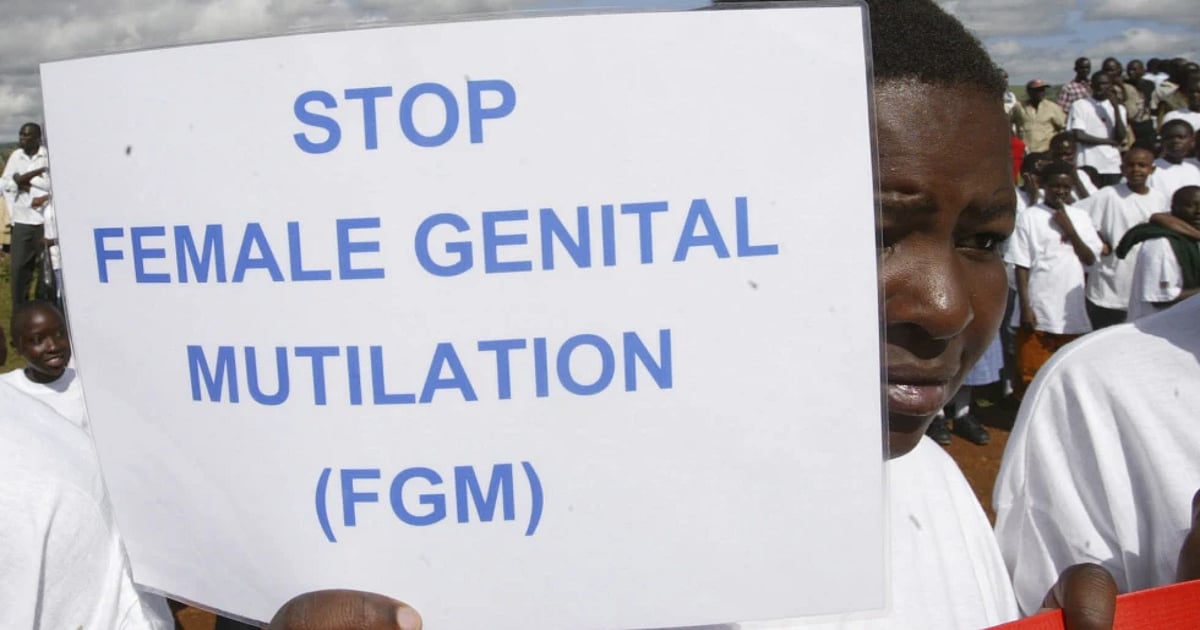
WHO issues new recommendations to end rise in 'medicalized' female genital mutilation
“Research shows that health workers can be influential opinion leaders in changing attitudes toward FGM and play a crucial role in its prevention,” said Christina Pallitto, a scientist at WHO and HRP who led the development of the new guideline.
“Engaging doctors, nurses, and midwives should be a key element in FGM prevention and response, as countries seek to end the practice and protect the health of women and girls.”
In addition to effective laws and policies, the guideline underscores the importance of community education and outreach.
Community awareness-raising activities that involve men and boys can be effective in increasing knowledge about FGM, promoting girls’ rights, and supporting attitudinal change.
Alongside prevention, the guideline includes several clinical recommendations to ensure access to empathetic, high-quality medical care for FGM survivors.
Given the range of both short- and long-term health issues that result from the practice, survivors may require a variety of health services at different life stages—from mental health care to management of obstetric risks and, where appropriate, surgical repair.
Evidence shows that, with the right commitment and support, it is possible to end FGM.
Countries like Burkina Faso, Sierra Leone, and Ethiopia have seen reductions in FGM prevalence among 15–19-year-olds over the past 30 years—by as much as 50%, 35%, and 30%, respectively—through collective action and political commitment to enforce bans and accelerate prevention.
Since 1990, the likelihood of a girl undergoing genital mutilation has decreased threefold. However, it remains common in about 30 countries, and an estimated four million girls each year are still at risk, the WHO said.

Advertising by Adpathway






;)