Trump administration invokes state secrets privilege in case over deportations under wartime law
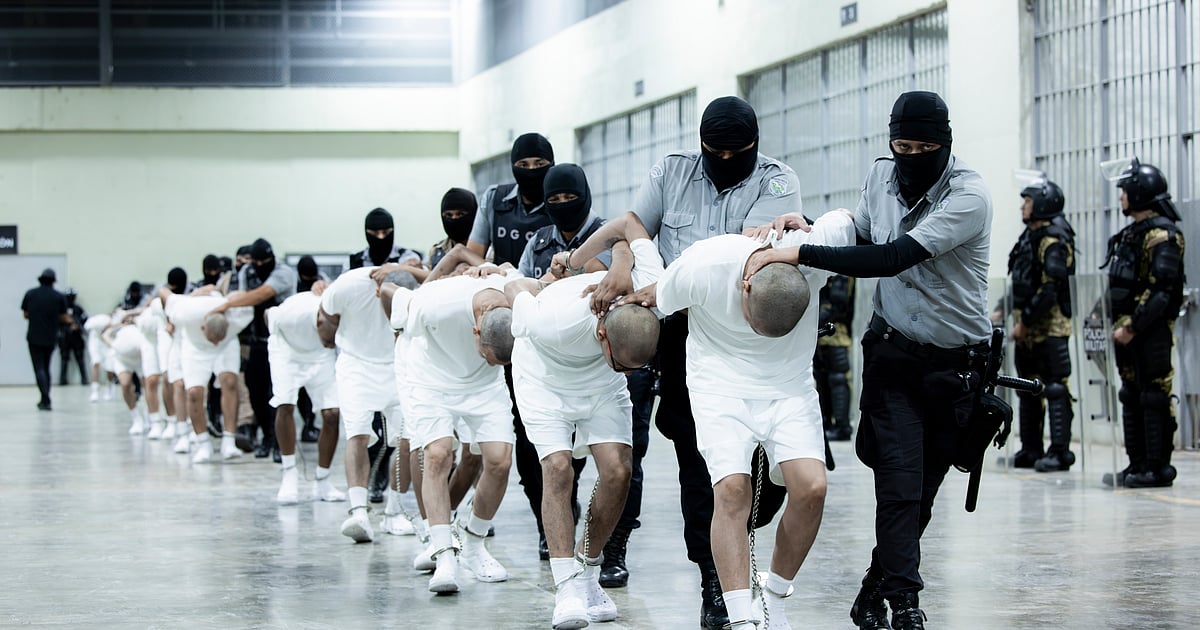
Also on Monday, attorneys representing the Venezuelan government filed a legal action in El Salvador to free 238 Venezuelans who are being held in a Salvadoran maximum-security prison after the U.S. deported them.
President Donald Trump's administration appealed after Boasberg blocked those deportations and ordered planeloads of Venezuelan immigrants to return to the U.S. That did not happen.
The Alien Enemies Act allows noncitizens to be deported without the opportunity to go before an immigration or federal court judge. Trump issued a proclamation calling the Tren de Aragua gang an invading force.
Ensign argued that Boasberg’s ruling was an “unprecedented and enormous intrusion upon the powers of the executive branch.”
“The president has to comply with the Constitution and the laws like anyone else,” said MiIlett, who was nominated by Democratic President Barack Obama in 2013.
Judge Justin Walker, whom Trump nominated in 2020, seemed to be more receptive to the administration’s arguments based on his line of questioning. Walker pointed to the government’s arguments that the plaintiffs should have filed their lawsuit in Texas, where the immigrants were detained.
“You could have filed the exact same complaint you filed here in Texas district court,” Walker told American Civil Liberties Union attorney Lee Gelernt.
“We have no idea if everyone is in Texas,” Gelernt said.
Walker also pressed the plaintiffs’ lawyer to cite any prior case in which a judicial order blocking “a national security operation with foreign implications” survived appellate review.
Gelernt accused the administration of trying to use the law to “short circuit” immigration proceedings. Plaintiffs’ attorneys had no way to individually challenge all the deportations before planeloads of Venezuelans took off on March 15, he added.
“This has all been done in secret,” Gelernt said.

Advertising by Adpathway







;)