Realising gram swaraj: Rajasthan's Jahota village emerges as model of self-reliance and progressive governance
Grassroot justice
Jahota has taken an innovative leap in community justice. Local disputes are resolved through a panchayat-led mediation process involving open hearings and discussions. Although no official fees are charged, both parties are encouraged to contribute voluntarily – either in cash or kind. Donations range from water coolers and fans to environmental efforts like planting Peepal trees or painting cleanliness slogans. This method not only fosters social harmony but also generates resources for the Gram Panchayat.
Empowering lives
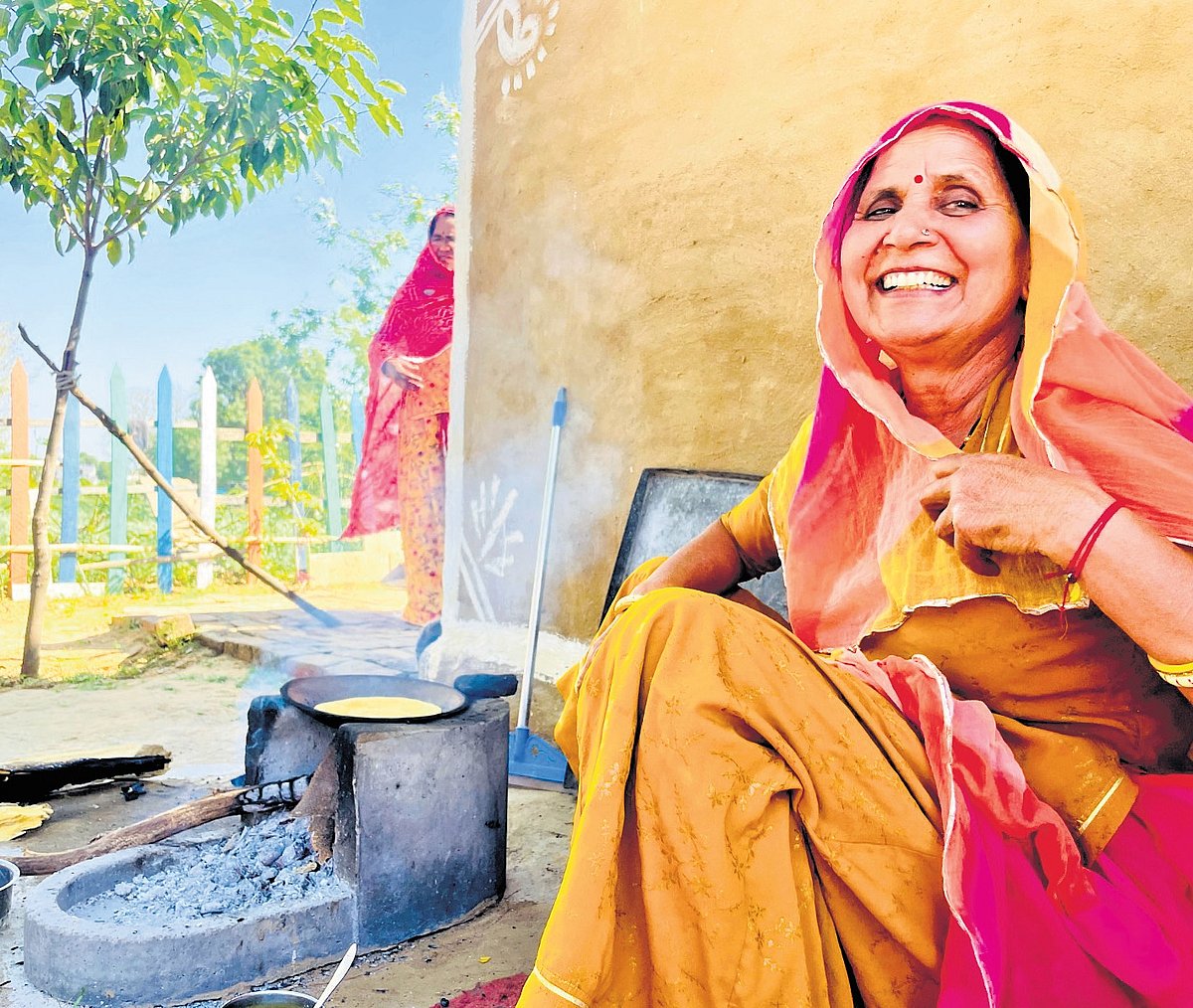
Jahota is also a glowing example of gender equity. Women actively participate in policy-making and decision-making, reflecting both Gandhi’s and Nehru’s dreams of democratic inclusiveness. Women’s self help groups have been empowered through convergence with government schemes like MGNREGA and CSR initiatives, leading to increased financial independence and employment among women across the village.
Additionally, Bal Panchayats and Bal Samuhs have been formed in every ward, giving children a voice in local governance and developing leadership skills from a young age.
Challenges turn milestones
Becoming self-reliant was not without hurdles. Financial constraints, limited land, and initial cultural resistance were significant roadblocks. There was hesitancy in adapting to shared resources, smaller homes, and a communal way of living. However, through regular community engagement, training, and small yet consistent successes, these challenges were overcome.
With the support of Brahmakumaris spiritual organisation, a unique initiative Rajrishi Gokul Gram Project has been initiated in Jahota which aligns with India’s Sustainable Development Goals and focuses on holistic rural development.
Under this programme, some fifty villagers from Jahota visited the Mount Abu headquarters of the Bramhakumaris for training and returned with knowledge of modern agricultural techniques along with teachings of yoga and moral values, which they implemented in their village.
“Today, our minds have become polluted, one of the major reasons being the excessive use of chemical fertilisers and pesticides in farming, and the migration of villagers to cities, distancing themselves from agriculture. To address this, we need to focus on making villages self-reliant by emphasising agriculture and other dimensions of rural life.
Spiritual upliftment of villagers is required for the sustainable development in true manner” says Bramhakumari Sushma Didi, In-charge of Jaipur Subzone, under whose guidance the resolve was made to develop Jahota as a model ‘Rajrishi Village’.
Glimpse of Gandhi’s dream
Jahota not only embodies Gandhi’s model of Gram Swaraj but also reflects the vision of Pandit Jawaharlal Nehru, who laid the foundation for the Panchayati Raj system right here in Rajasthan. With every ward lit with hope and every hand skilled with work, Jahota is now echoing its success across state boundaries.
Whether it’s small industries sprouting alongside agricultural lands, or digital banking and modern education being embraced alongside traditional crafts, Jahota is where the old and new co-exist in harmony.
The panchayat’s future goals include detailed land mapping, asset construction, improved resource utilisation, and increasing savings and income generation through community-led enterprises.
Leading by example
Jahota has been nominated to represent Rajasthan for the Presidential Award, acknowledging its outstanding work in fulfilling the Sustainable Development Goals in rural India. It is more than a village now – it is a model of resilience, innovation, and collective strength. As Gandhi once envisioned, true India lives in its villages. Jahota proves that with the right vision, even the most modest rural settlement can lead the way for an entire nation.

Advertising by Adpathway







;)