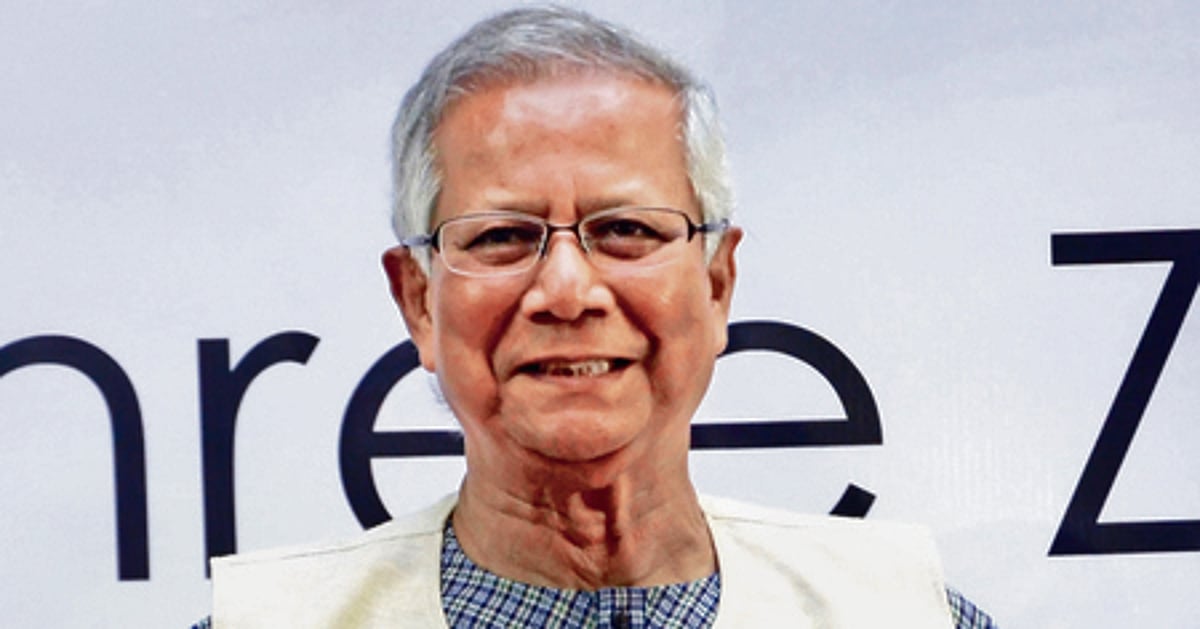
Bangladesh's interim chief Muhammad Yunus mulls resignation, cites political deadlock
Yunus assumed leadership after the SAD-led uprising forced Prime Minister Sheikh Hasina from power on August 5, 2024. The former prime minister fled to India with military assistance, and Yunus returned from Paris three days later to take charge of the interim government.
His possible resignation surfaces amid growing friction with the military over election timelines and a controversial policy involving a humanitarian aid corridor into Myanmar’s conflict-ridden Rakhine state. Armed forces chiefs, including Army Chief General Waker-Uz-Zaman, recently pressed Yunus to hold elections by December and expressed concern over the Rakhine issue.
The army, which played a key role in Hasina’s exit and Yunus’s appointment, is reportedly uneasy over being sidelined in critical policy decisions. General Zaman reportedly convened a meeting at Dhaka Cantonment to review the situation.
Yunus’s administration has dissolved the Awami League under a revised anti-terror law, jailing many of its leaders. With the Bangladesh Nationalist Party (BNP) now leading major protests, Yunus is under pressure to declare election dates. The BNP this week demanded the removal of remaining student advisers, while the NCP retaliated by calling for the ouster of two BNP-aligned advisers.
Tensions escalated following a massive BNP rally demanding immediate polls, while the NCP and Islamist groups advocated implementing Yunus’s reform agenda first.
On Friday, a Cabinet member and close adviser to Yunus said the interim chief “needs to remain” in office to ensure a peaceful transition, as the country reels from intensifying street protests and political unrest.
Jamaat-e-Islami chief Shafiqur Rahman, whose party opposed Bangladesh’s independence in 1971, has urged Yunus to call an all-party meeting to ease the deepening crisis in Bangladesh.

Advertising by Adpathway







;)