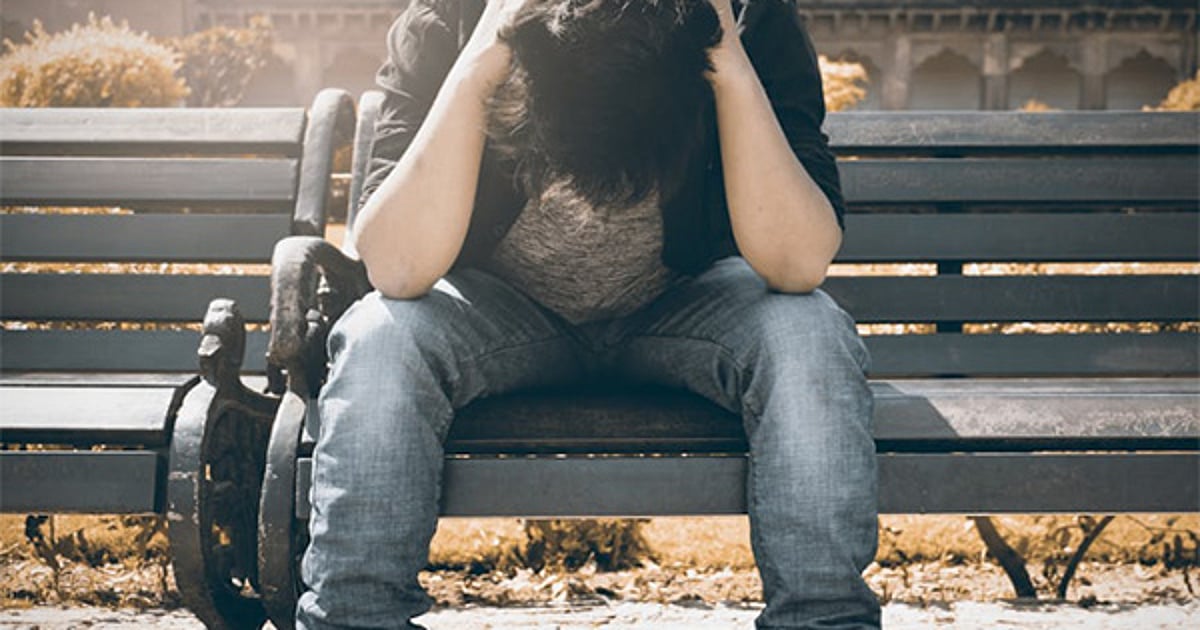
Heart attack or panic attack? Why young men in Australia calling ambulances for unmanaged anxiety
MELBOURNE: Anxiety affects one in five Australian men at some point in their lives. But the condition remains highly stigmatised, misunderstood and under-diagnosed.
Men are around half as likely to be diagnosed with an anxiety disorder compared to women. Some feel pressure to be fearless and hide their emotions.
Others simply don't understand or have the language to describe anxiety symptoms.
This has serious consequences.
Our latest research shows young men are turning to ambulance services when their symptoms become overwhelming some even think they're having a heart attack.
So why do so many men wait until they need to call emergency services, rather than seek support earlier from a GP or psychologist? And what prompts them to call? We reviewed the paramedic notes of 694 men aged 15 to 25 years in Victoria, Australia, to find out.
Young men haven't seen others asking for help Boys are raised to value courage, strength and self-assurance, and to suppress vulnerability.
When parents encourage boys to face their fears, rather than offering emotional comfort and tenderness, anxiety gets positioned in conflict with masculinity.
This leads to a disjuncture between the support young men are met with (and come to expect) from others, and the support they may want or need.
This also means boys grow up believing their male role models dads, brothers, grandads, coaches don't get anxious, deterring boys and men from seeking help.
As a result, anxiety goes undiagnosed and opportunities for early intervention are missed.
Recently, we have seen positive shifts challenging restrictive masculine stereotypes.
This has improved awareness surrounding men's depression opening up conversations, normalising help-seeking and leading to the development of men's mental health programs and resources.
However, men's anxiety remains in the shadows.
When anxiety is talked about, it's not with the same weight or concern as depression.
This is despite men's anxiety having harmful health impacts including turning to alcohol and drugs to cope, and increasing the risk of male suicide.
What does anxiety look like? When men are encouraged to talk about anxiety, they describe various challenges including repetitive worries, feeling out-of-control and intense physical symptoms.
This includes a high heart rate, shortness of breath, body pains, tremors and headaches.
Jack Steele, a prominent Australian personality and one half of the Inspired Unemployed, opened up about his anxiety difficulties on The Imperfects Podcast last year saying: "I didn't know what anxiety was. I thought I was the opposite of anxiety. The way I explain it, it's like [ ] your whole body just shuts down. My throat starts closing up and my whole body just goes numb. [ ] It feels like you're just so alone. You feel like no-one can help you. You genuinely think the world's ending like there's no out."
These physical symptoms are common in men but can be frequently dismissed rather than recognised as anxiety.
Our research has found that, when left unaddressed, these symptoms typically worsen and arise in more and more contexts.

Advertising by Adpathway





;)