Brazil Risks $53B on Largest State-Driven Industrial Overhaul Since 1970s Decline Era
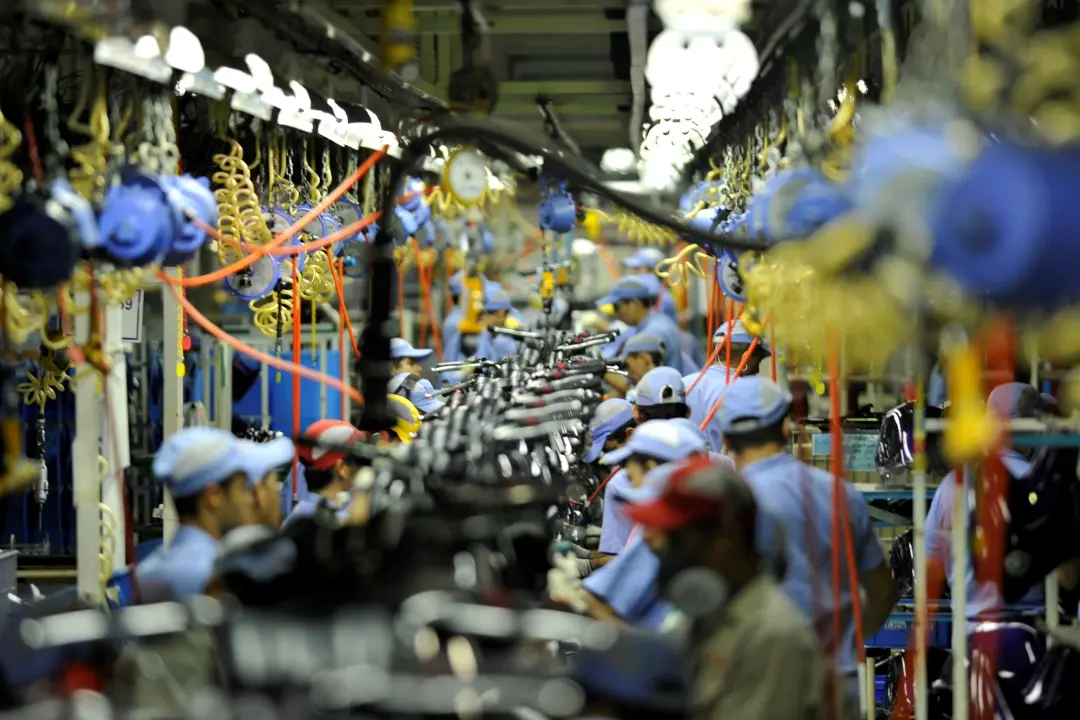
The Brazilian government will invest R$300 billion ($53 billion) through 2026 in its “Nova Indústria Brasil” plan, aiming to reverse decades of industrial decline.
Announced by BNDES president Aloizio Mercadante, the policy targets six sectors: agriculture (R$56.2B), digital development (R$49.6B), defense (R$23.9B), decarbonization (R$17.6B), health (R$7.1B), and infrastructure (R$5.8B).
This marks Brazil’s largest state-led industrial push since the 1970s, fueled by a 3.4% GDP growth in 2024 and a 3.1% manufacturing rebound after years of stagnation.
BNDES, the state development bank, has already disbursed R$205 billion (80% of its initial target), with industrial credit surging 132% since 2022.
The bank’s 2024 approvals hit R$52.4 billion, eclipsing agribusiness lending for the first time since 2017. Mercadante credits this expansion with lifting Brazil’s global industrial ranking from 40th to 25th, per the Industrial Development Institute.
The plan prioritizes import substitution in pharmaceuticals, defense tech, and agricultural machinery while backing green hydrogen and 5G infrastructure projects.
Brazil’s Industrial Revival
Public procurement rules now favor domestic producers, and firms accessing subsidies face annual performance reviews on energy efficiency and R&D targets.
Critics note parallels to past failed policies, such as 1970s debt-driven growth that left Brazil reliant on foreign loans and luxury goods markets.
Economists highlight risks: BNDES disbursements now equal 1.1% of GDP, down from 3% during the 2009-2014 credit boom, but still strain fiscal limits.
The program’s 2033 goals require sustained 4% annual industrial growth—a challenge given Brazil’s 6.6% unemployment rate and 40% informal workforce.
While the government touts 2.1 million potential new jobs, analysts caution that similar initiatives in the 2000s achieved limited structural change despite $60 billion investments.
Brazil’s industrial output remains 18% below its 1980s peak, with manufacturing contributing just 11% to GDP. The plan’s success hinges on avoiding past pitfalls: political interference in credit allocation, inadequate export competitiveness, and overreliance on protected domestic markets.
As global trade tensions rise, Brazil’s state-driven gamble tests whether targeted subsidies and local content rules can outpace market forces in rebuilding industrial muscle.

Advertising by Adpathway







;)