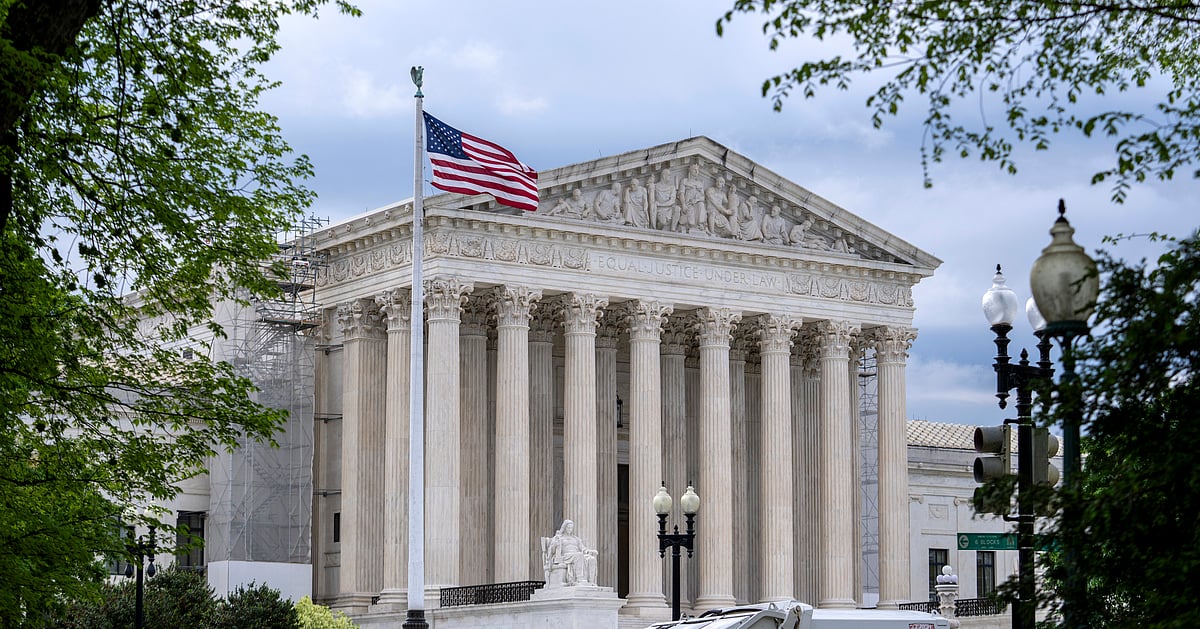
US Supreme Court lets Trump end humanitarian parole for 500,000 people from four countries
Jackson echoed what U.S. District Judge Indira Talwani wrote in ruling that ending the legal protections early would leave people with a stark choice: flee the country or risk losing everything. Talwani, an appointee of Democratic President Barack Obama, found that revocations of parole can be done, but on a case-by-case basis.
Her ruling came in mid-April, shortly before permits were due to be canceled. An appeals court refused to lift her order.
The Supreme Court's order is not a final ruling, but it means the protections will not be in place while the case proceeds. It now returns to the 1st U.S. Circuit Court of Appeals in Boston.
The Justice Department argues that the protections were always meant to be temporary, and the Department of Homeland Security has the power to revoke them without court interference. The administration says Biden granted the parole en masse, and the law doesn’t require ending it on an individual basis.
Taking on each case individually would be a “gargantuan task,” and slow the government’s efforts to press for their removal, Solicitor General D. John Sauer argued.
Biden used humanitarian parole more than any other president, employing a special presidential authority in effect since 1952.

Advertising by Adpathway






;)