5 strategies to reduce your exposure to microplastics
Most people think of plastic pollution as an ocean problem. But the truth is, the most damaging exposure is happening inside your own home. You breathe it, eat it, sleep in it and sit on it. If you want to lower the plastic load in your body, you need to change what’s around you.
These five steps target the most common sources. Here are five practical, targeted steps I recommend:
Use reusable bags instead of plastic — Every plastic bag you use contributes to the long-term environmental plastic load. Reusable bags made of fabric or canvas don’t shed plastic particles and don’t end up breaking down in your kitchen, car or trash bin. If you’re someone who shops frequently, you’ll cut down on hundreds of plastic bags a year just by making this switch.
Store food in glass or stainless steel containers — Plastic containers break down over time, especially when heated. This releases microplastic fragments and chemical residues that end up in your food and air. Use glass jars, Pyrex, stainless containers or beeswax wraps instead. Avoid cling film or cheap plastic containers.
Stop using single-use plastic items — Straws, cutlery and water bottles are wasteful and shed microplastics as you use them. I recommend carrying your own utensils, switching to a metal water bottle and avoiding any plastic item designed to be thrown away after one use. If you’re already minimizing single-use items, focus next on replacing plastic kitchenware like spatulas, scoops or cutting boards.
Cut down on plastic-based products in your home — That includes synthetic rugs, furniture with polyurethane foam, plastic-coated curtains and plastic toothbrushes. These items slowly degrade and release airborne particles. If you’re not sure where to begin, start with high-rotation items — your bedding, what you sleep on or what you cook with. Choose natural alternatives like bamboo, wood, wool, cotton or ceramic.
Improve indoor air quality — Open windows regularly, vacuum and dust frequently and use an air purifier with a HEPA filter to capture fine airborne particles, especially if you live in an urban area or spend time around synthetic fabrics and materials.
Another point I would like to emphasize is that many plastic chemicals are xenoestrogens that mimic the effects of estrogen in your body. In fact, most of the hazards associated with these chemicals stem from the stimulation of your estrogen receptors.
In cases of estrogen dominance, supplemental progesterone is helpful. Progesterone is a natural estrogen antagonist and counteracts the adverse effects of excess estrogen. It’s one of three hormones that I believe many adults can benefit from. The remaining two are DHEA and pregnenolone.
My new book, “Your Guide to Cellular Health: Unlocking the Science of Longevity and Joy,” covers this process in great detail.
FAQs about microplastics and health
Q: What are microplastics, and why are they dangerous?
A: Microplastics are tiny plastic particles less than 5 millimeters in size. They come from broken-down plastic products and enter your body through the air, food or water. Because they’re so small, they bypass your body’s defenses and build up in your tissues, where they cause inflammation, hormone disruption and long-term health problems.
Q: Have microplastics been found in humans?
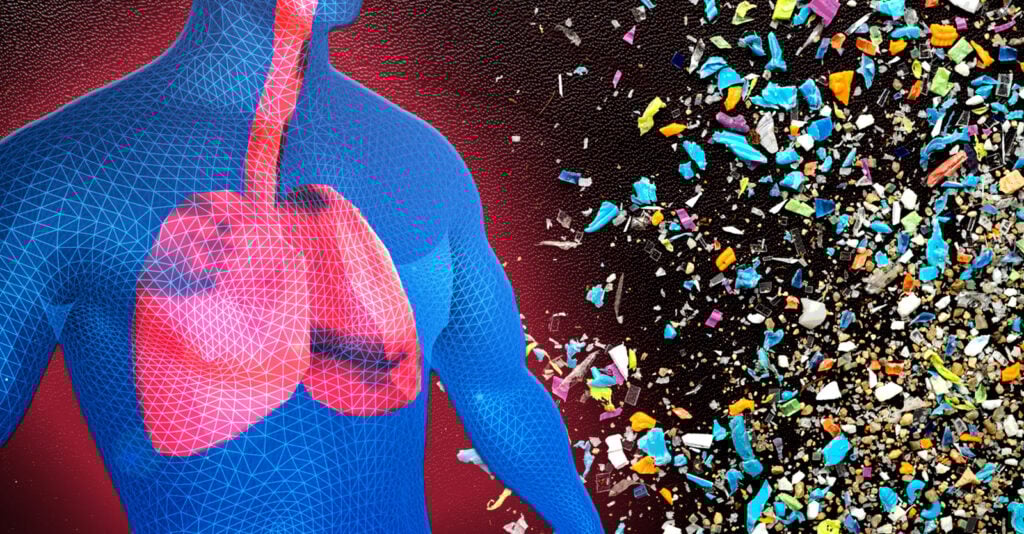
A: Yes. Studies have found microplastics in human lungs, blood, stool and even the placenta. One 2022 study discovered plastic particles in nearly every lung tissue sample tested. These plastics come from packaging, clothing, furniture and everyday household items.
Q: What health problems do microplastics cause?
A: Microplastics are linked to hormone imbalance, chronic inflammation, oxidative stress, digestive issues and mitochondrial damage. They also carry chemicals that disrupt fertility, metabolism and immune function. Some particles are small enough to reach your brain and even cross into fetal tissue.
Q: What everyday household items produce microplastics?
A: Common household items that produce microplastic particles include synthetic carpets, polyester bedding, upholstered furniture with foam cushions, plastic food containers, nonstick cookware and clothing made from nylon, spandex or acrylic.
Q: What’s the best way to reduce microplastic exposure?
A: Small daily changes to your environment make a big difference over time. Use glass or stainless steel for food storage, stop using single-use plastics, switch to natural materials for bedding and home items and improve your home’s indoor air quality with HEPA filters.
Originally published by Mercola.








;)