From homebirths to healthier futures: How one Assam district transformed maternal care
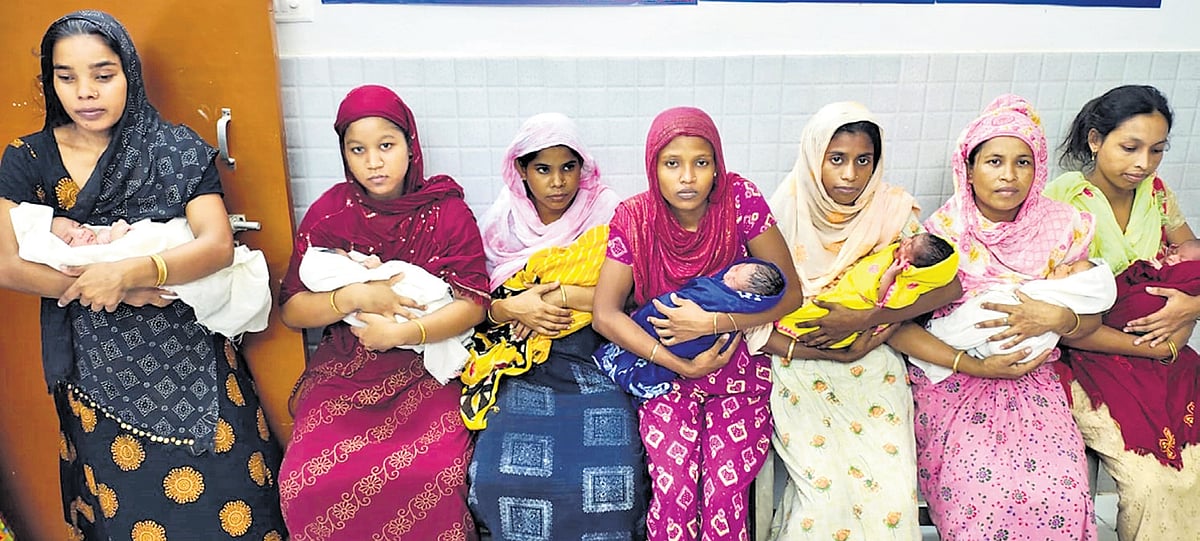
ASSAM: Five years ago, South Salmara-Mankachar, a Muslim-majority district on Assam’s Bangladesh border, faced a significant challenge: only 47% of women were delivering in medical facilities. For many, childbirth remained a risky affair at home, far from healthcare assistance.
Today, that figure has surged to 89% and home deliveries have dropped sharply from 5,638 in 2021-22 to just 820 in 2024-25. This dramatic turnaround is a testament to the power of collaboration and community engagement.
A unified approach
The shift in delivery practices reflects a broader improvement in maternal and newborn health. District officials attribute the change to a united effort across various departments, once working in isolation.
The Health Department, in partnership with Education, Social Welfare, and Women & Child Development, combined resources and strategies to improve healthcare access. This collaboration brought health workers, teachers and Anganwadi workers together to engage local communities through village meetings, urging families to choose institutional deliveries.
Strengthening healthcare infra
One of the key interventions was the improvement of local healthcare infrastructure. Ayushman Arogya Mandirs, which offer essential services, were revived with stable electricity connections, ensuring they operated round-the-clock.
Labour rooms were re-equipped and ten new in-house laboratory rooms were set up across the district, bringing diagnostics closer to the people. This reduced one of the main barriers to maternal care in rural areas.
Furthermore, early antenatal care (ANC) saw significant growth. ANC registrations increased from 59% in 2022-23 to 85.3% in 2023-24.
Postnatal care compliance also improved from 63% to 79%, surpassing the state’s average. These advancements in healthcare access have led to better maternal outcomes, including timely risk detection and improved preparedness for delivery.

Advertising by Adpathway
;)


;)