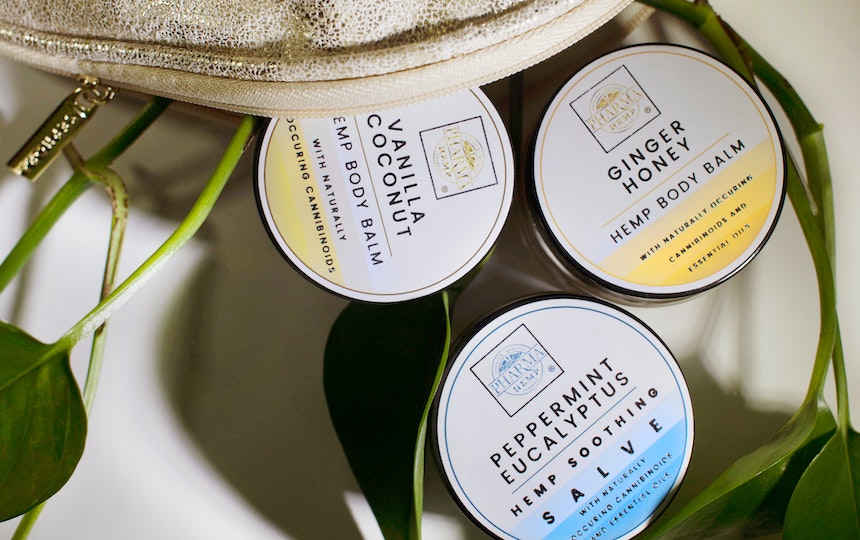
Natural Pest Repellents: Do They Work?
It’s summertime! The winter layers are off and we’re all spending as much time as we can outdoors! But biting midges, march flies and mozzies are also out and about at this time of year. Which leads to the perennial conundrum of getting them to bug off! Natural pest repellents abound as an alternative to synthetic products.
Understandably, many people don’t want to be spraying pesticidal substances all over their bodies. But do natural bug sprays actually work? And are they any better for the natural world than their synthetic counterparts?
 Natural pest repellents
Evidence of “natural” remedies working is a real mixed bag. There is no botanically-derived ingredient that works effectively to repel insects across a variety of situations.
Firstly, forget candles and scented wrist bands. There is no reliable evidence that they work at all.
Botanically-derived topical sprays and ointments are a different story however.
There is some evidence that certain natural oils repel insects. Those with evidence to back them up include:
And many of us have a jar or bottle of herbal bug spray that really does seem to do the trick. However the effects are usually not long lasting because these substances break down quickly once applied. Usually maxing out at just one hour. And not all mosquitos are the same. There are many different species all over the world, and there is evidence different species are affected (or unaffected) by different botanicals.
Add to that the fact that not every bottle of essential oils is equally potent (or in the case of citronella, even made from the same plant) and you have yourself a complex equation! At the end of the day there is no evidence of a one-size-fits-all formula for a natural repellent that will work in all situations. Which is why experts advise that if you really don’t want to get bitten, synthetic repellents are the go.
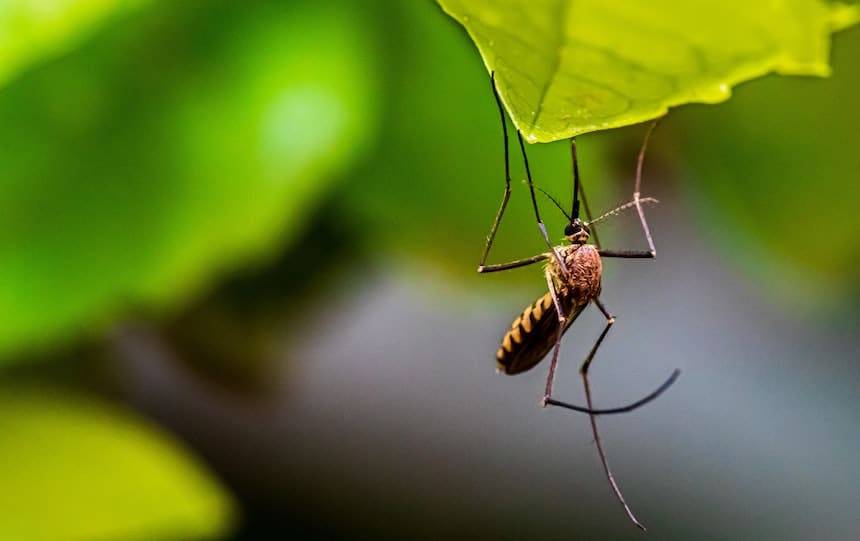
Why avoid getting bitten?
Insect bites aren’t just itchy and annoying. There are some extremely dangerous mosquito-borne illnesses out there.
Even in Australia, there are areas deemed high-risk for debilitating illnesses like Ross River Virus and Bairnsdale Ulcer. As well as outbreaks of Encephalitis and Dengue Fever.
Experts agree it’s unwise to pin your luck on the chance a natural remedy will work in areas where these viruses are prevalent.
How do insect repellents work?
Mosquitos find their prey by detecting carbon dioxide from our breath, and the scent of our skin.
None of the synthetic insect repellents on the market are actually insecticidal. Current studies suggest they work by disrupting an insects’ neurological receptors for prey (ie. fresh humans!) So they don’t kill the insects, just temporarily bamboozle them.
Topical natural repellents also don’t kill insects – they work by masking this scent.
 Non-topical prevention
Another great way to reduce the risk of insect bites is to wear the right clothing, avoid going out at certain times and remove breeding habitats where possible.
Wear light clothing as mosquitos and midges are attracted to dark colours. You can also reduce your appeal to hungry bugs by covering up as much as possible. Mosquitos also need stagnant water to breed in, so ensure any rain tanks you have are appropriately netted and there are no places water can accumulate in your garden.
Dusk and dawn are the most likely times you will get bitten by insects. So avoiding outings at these times can be helpful.
The take away
Current medical advice is that while some natural botanicals have insect repelling properties, only synthetic pest repellents that are correctly applied are deemed to be fully effective in preventing insect bites.
Obviously, whether or not you decide to use a natural pest repellent or a synthetic one is a personal choice. If you do decide to go natural, why not be a citizen scientist and see what ingredients seem to be effective in your local area?
You can also reduce the risk of insect bites in warm weather by:
- removing breeding habitat where appropriate
- wearing light-coloured loose fitting clothing and minimizing exposed skin
- staying in when biting bugs are most active.


Advertising by Adpathway







;)