Chevron’s Exit from Venezuela Marks a New Challenge for U.S. Energy Security
By Paulina Velasco – Investigative journalist and audio producer, Institute for Nonprofit News
On 20 May, the United States was preparing to renew Chevron’s licence to operate in Venezuela for a further 60 days. However, mounting pressure from neoconservative figures such as Senator Marco Rubio, the Cuban-American lobby, and certain political factions in Florida—who appear to prioritise local electoral interests over broader national considerations—ultimately halted the renewal.
It is particularly ironic that elements within the Latin American exile community, themselves protected by the Temporary Protected Status (TPS) programme, would support a move that jeopardises the futures of millions of fellow migrants in order to claim a symbolic political win over Chevron. TPS is a temporary immigration benefit offered by the US government to people from designated countries who cannot safely return home.
This amounts to a betrayal within the community, undermining those seeking stability. Without the licence agreement in place, many Venezuelans are now facing removal without a viable or dignified option.
A strategic opportunity has thus been squandered for ideological and electoral reasons. Sacrificing US energy security to placate narrow political interests in South Florida is a serious misstep.
Chevron, along with companies such as Repsol, Eni and Maurel & Prom, belongs to a group of energy firms that had managed to stay operational in Venezuela despite a complex web of international sanctions. Operating in partnership with state oil company PDVSA, Chevron has accounted for nearly 20 percent of Venezuela’s oil production.
The presence of these companies has historically enabled the maintenance of technical ties with the Venezuelan energy sector, while preserving a valuable channel of dialogue in a strategically vital region that could otherwise fall entirely under the influence of Moscow or Beijing.
Indeed, in recent months the Venezuelan government has made steady progress in forging closer ties with non-Western actors in a bid to secure its position and widen its strategic options.
In May, Presidents Nicolás Maduro and Vladimir Putin signed new agreements under a Strategic Partnership and Cooperation Accord, aiming to increase collaboration in sectors such as oil, gas and mining. That same month, Chinese Foreign Minister Wang Yi met with his Venezuelan counterpart Yván Gil Pinto in Beijing. Both parties pledged to deepen cooperation in key areas including agriculture, trade, energy and mining.
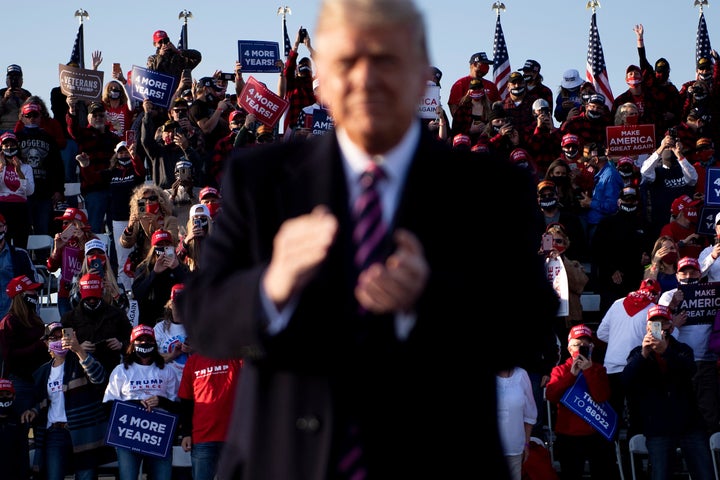
Meanwhile, in Washington, figures aligned with former President Donald Trump appear to be revisiting the policy dilemmas that defined his first term. Calls from neoconservative voices like Rubio to reinstate a “maximum pressure” approach have contributed to a return to inflexible, ideologically-driven policymaking—undermining practical goals such as energy stability, migration management and the containment of rival global powers.
This stance becomes even more difficult to justify at a time when the global energy market is entering a fresh period of volatility, fuelled by rising tensions in the Middle East. The double standard is glaring: China is permitted to continue purchasing Iranian crude oil—despite Iran being considered a strategic adversary—while any attempt to re-engage with Venezuela is blocked. If Beijing is afforded that flexibility, why should Washington deny itself the same?
What seems to be misunderstood is that if the US walks away, Venezuela still has viable partners. And not only to continue, but to consolidate an energy alliance more closely aligned with Asian geopolitical and economic interests.
Reinstating a channel of communication such as Chevron’s licence should not be viewed as a concession, but as a pragmatic strategy. Far from weakening US influence, it could in fact strengthen it.
It would preserve a US presence on the ground, maintain channels for diplomatic pressure, and allow direct engagement in shaping developments within a key Latin American state. It would also provide greater certainty for US refiners and consumers, enhancing the strategic value of the relationship further.
Of course, no agreement should be unilateral. If Washington were to reauthorise the licence, it would be logical to expect reciprocal commitments. Caracas should be prepared to cooperate on sensitive matters such as migration and border security.
This is not a perfect formula, but it offers a rational path toward rebuilding a relationship that, at best, may remain tense but operational. Isolationism has reached its limits. A more adaptable strategy that safeguards US interests is now required.
Ultimately, governance is not about choosing between the ideal and the unacceptable, but between what is achievable and what is effective. And if what is effective protects energy security, regional stability and national sovereignty, then it is worth pursuing. Because if the United States fails to act, others most certainly will.
Picture Source: Shutterstock
Share this article:

Advertising by Adpathway







;)